SMC access and manhole covers
Review the cover profile, underside geometry and handling details against the intended opening and service conditions. Incorporate required texture and permanent markings into the approved part drawing.
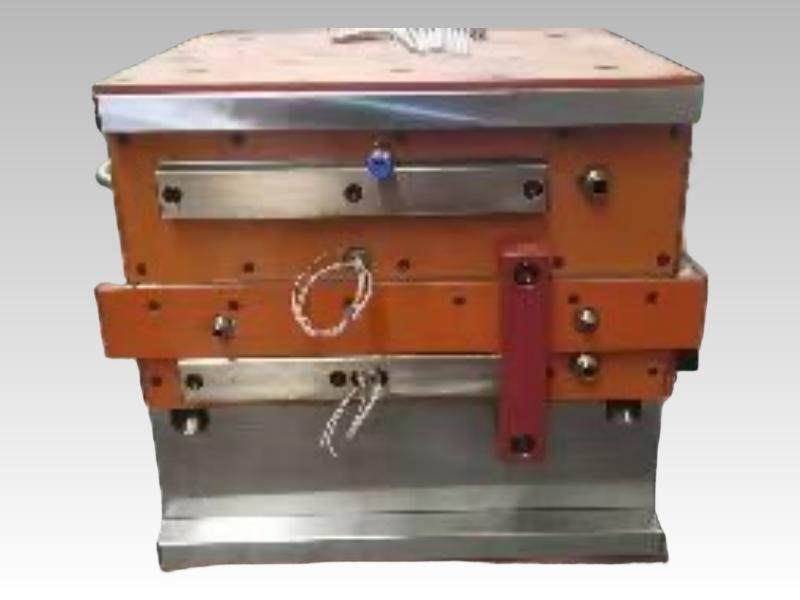
For composite access and manhole covers, the visible outline is only the starting point. The seating arrangement, opening, handling features and intended installation environment all shape the tooling brief and the finished-product acceptance plan.
Review the cover profile, underside geometry and handling details against the intended opening and service conditions. Incorporate required texture and permanent markings into the approved part drawing.
Define seating faces, installation dimensions and any specified locking or fastening arrangement. Where a frame or related component uses a separate tool, review the mating geometry as a system rather than approving each drawing in isolation.
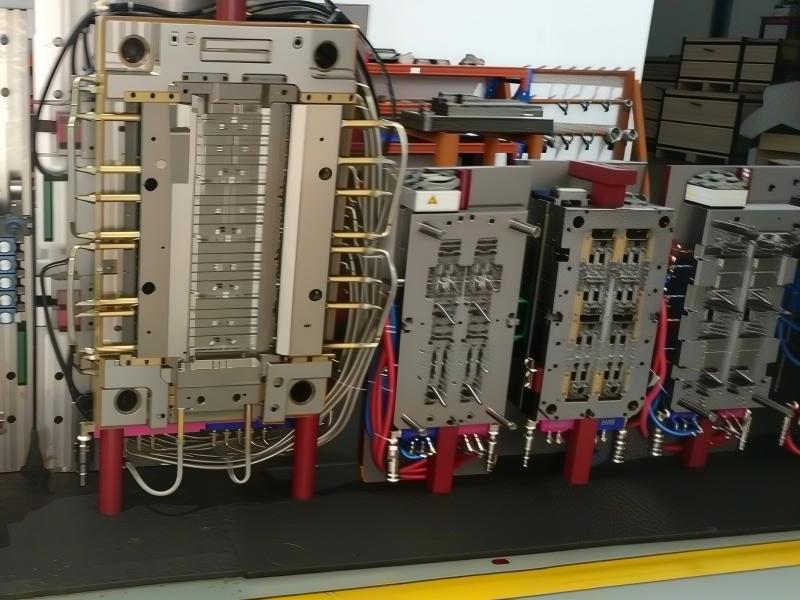
Identify the datums and dimensions that control cover-to-frame fit. Agree whether samples must be checked against one reference frame or across the intended range of mating components.
Consider the reinforcement layout, local thickness and lifting features together. The need for stiffness, practical handling and mould release must be resolved for the actual material and part design.
Specify the required surface pattern, lettering and identification details. Confirm legibility, orientation and permitted variation before the mould surface is finalised.
Tool-trial checks can address filling, release, dimensions, seating and markings. Load, impact, durability or other specified service tests address the finished product and its intended installation. No load class follows automatically from the use of SMC or from the mould’s appearance.
For a different building or infrastructure component, define the installation interface, exposure conditions and required product checks first. Reuse the specification method, not an access-cover test plan that may be inappropriate for the new application.
Send the mating drawings and intended installation conditions to discuss the right tooling scope.