Professional SMC & BMC Compression Mould Manufacturer
Custom composite FRP moulds for the automotive, electrical, railway and sanitary industries
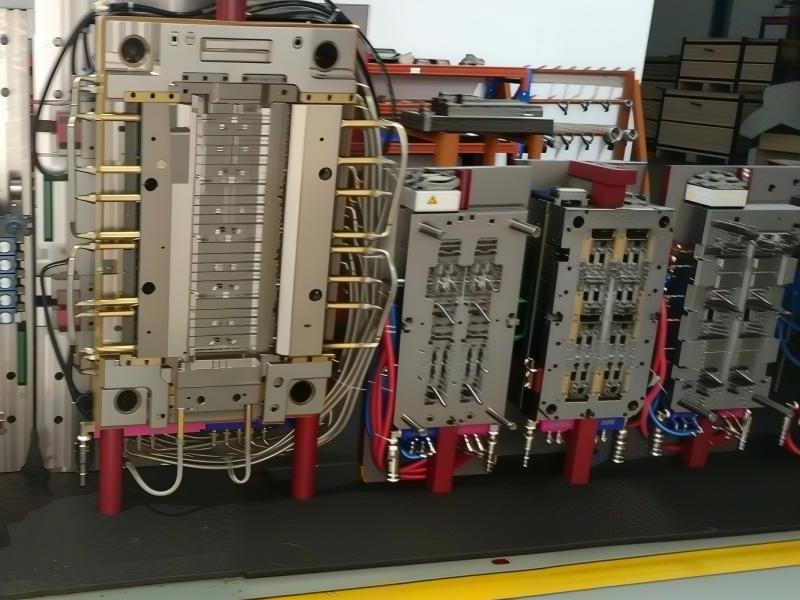
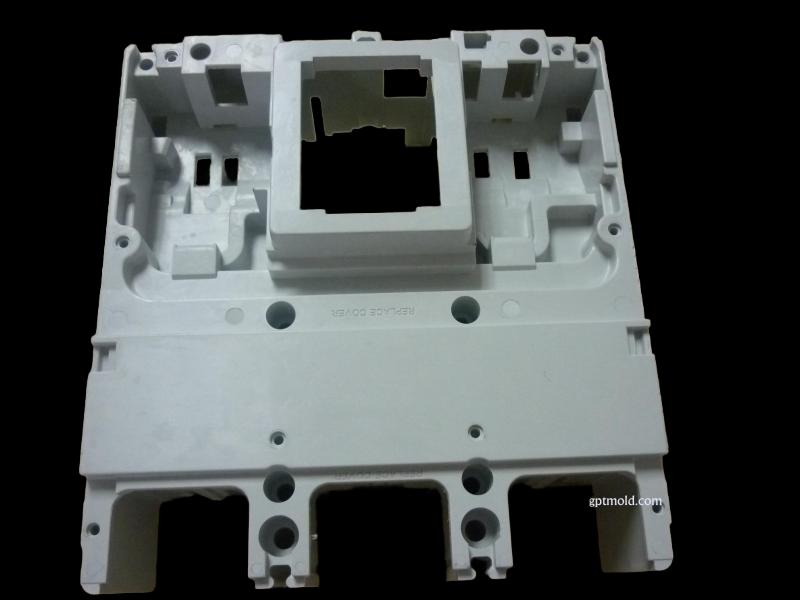
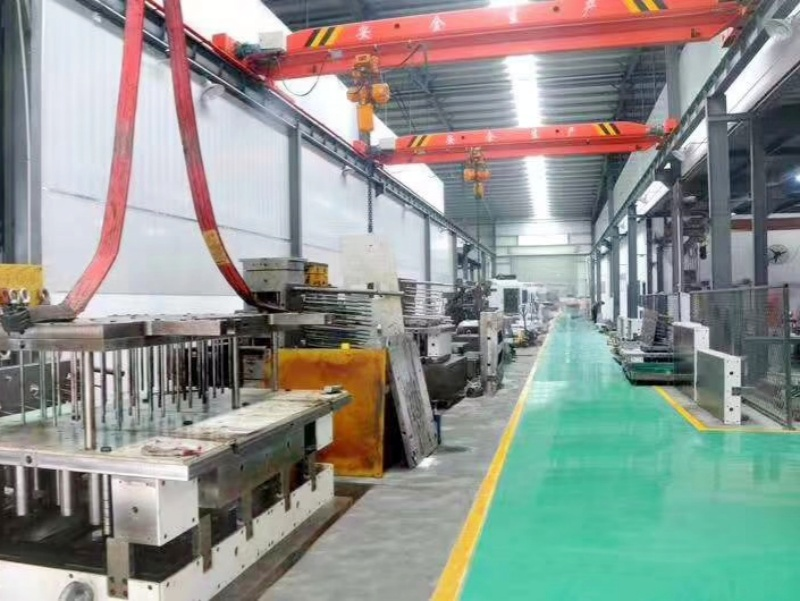
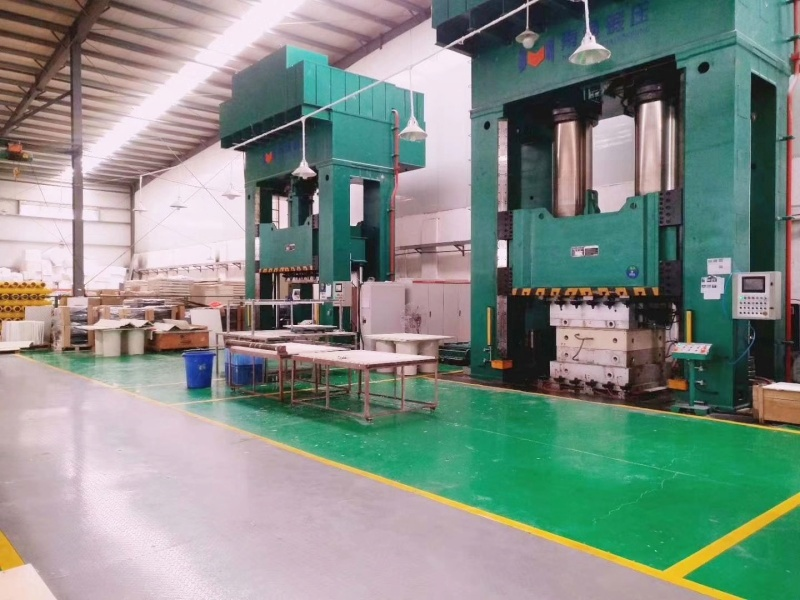
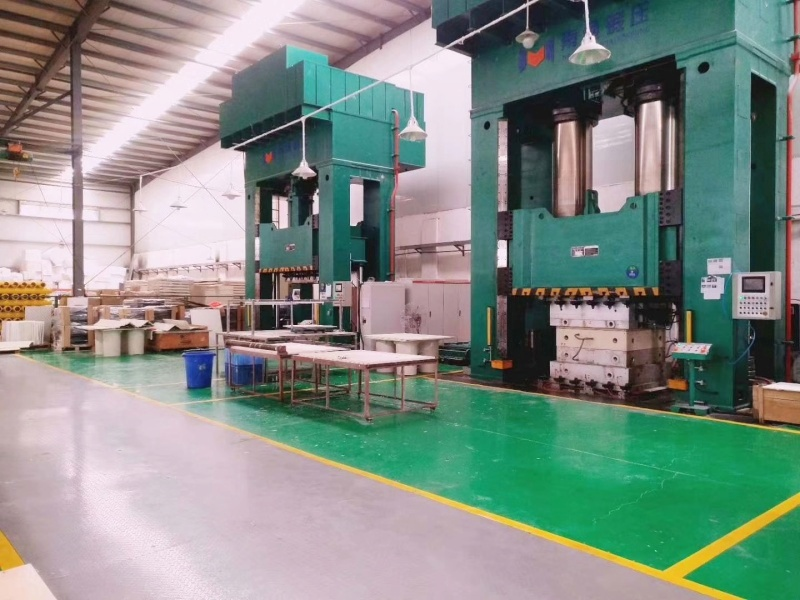
COMPOSITE TOOLING BUILT AROUND YOUR PART
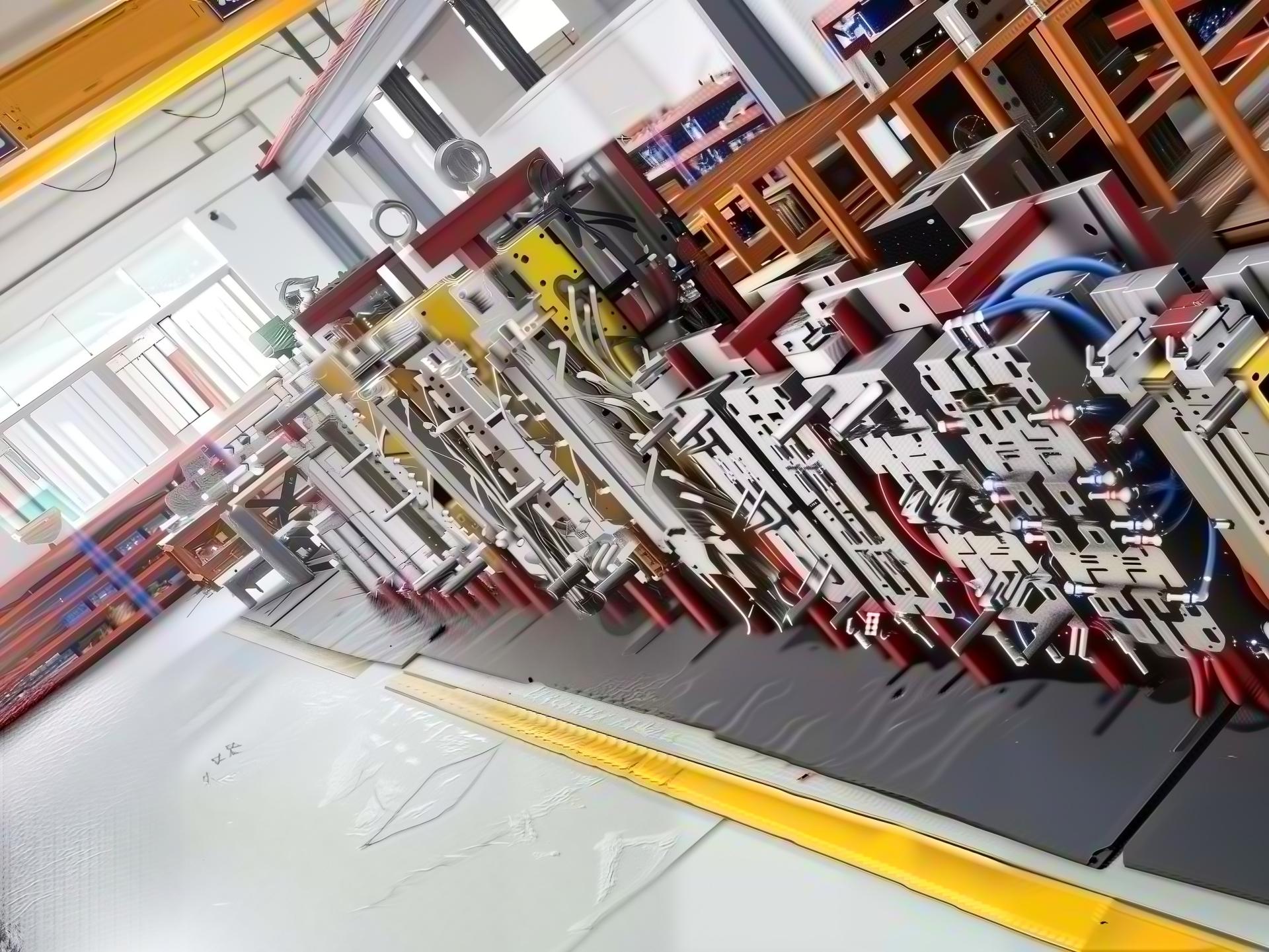
We manufacture custom SMC and BMC compression moulds around the component you need to produce. The starting point is your part drawing, compound specification and moulding press, rather than a standard tool configuration. Our scope covers mould design, finite element analysis (FEA), mould trials and quality inspection. A clear design review connects the part geometry with the heating arrangement, venting, part release and inspection plan, so that the tooling specification reflects the practical requirements of your production process.
From Design Review to Mould Trials
- Part and tool design: Review wall sections, ribs, inserts, draft angles and critical dimensions. Discuss the parting line, surface finish and tool steel selection against the compound, expected wear, maintenance needs and production volume.
- Process compatibility: Define press capacity, mounting dimensions and the available heating system. Plan venting and charge placement for the material flow, while considering access for demoulding, cleaning and routine tool maintenance.
- Trial and acceptance: Agree the trial material, sample quantity and measurement method before manufacture. Review moulded samples against dimensional and appearance requirements, record any corrections, and use the agreed inspection criteria to guide final acceptance.
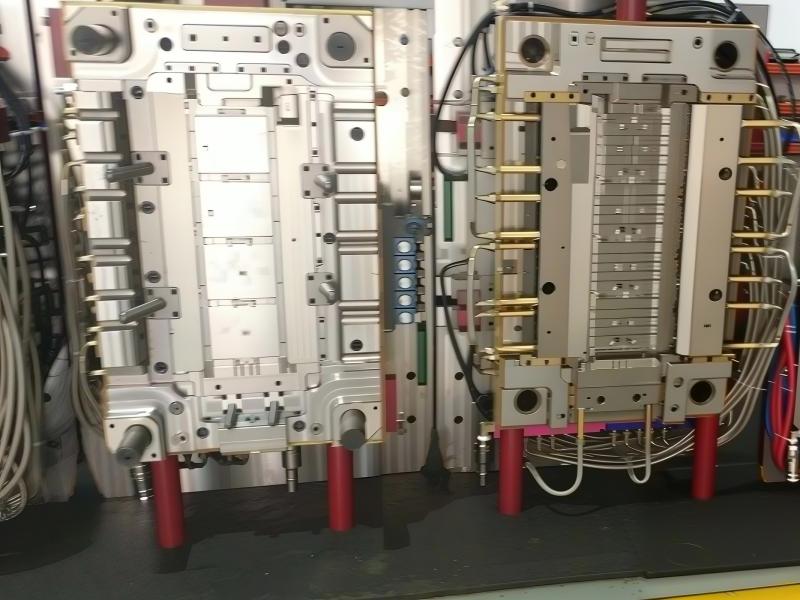
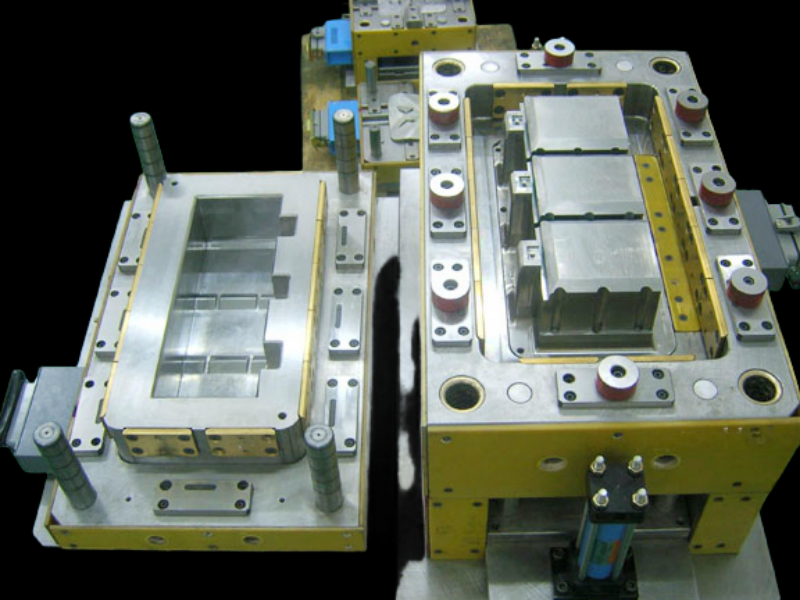
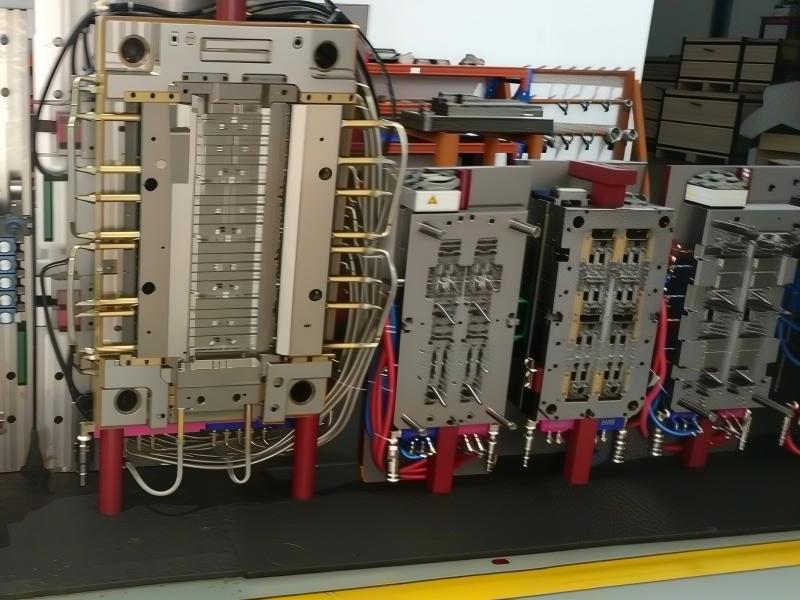
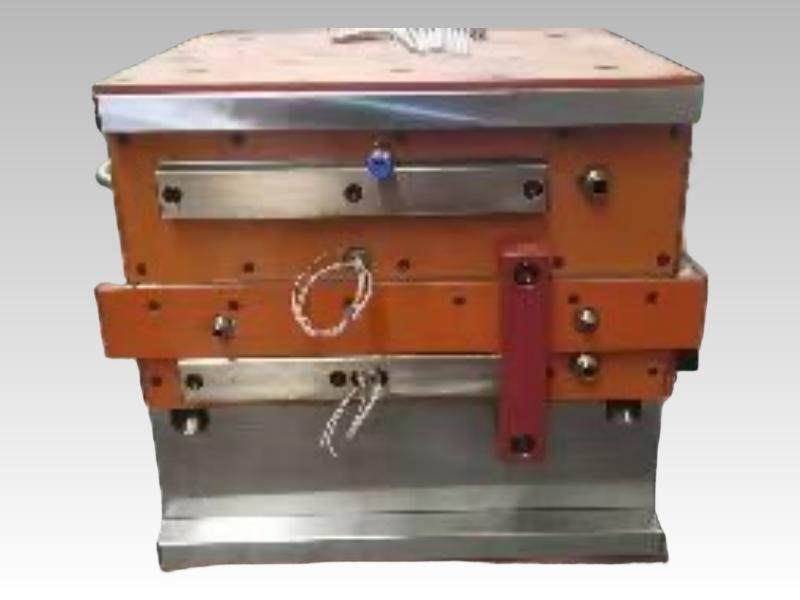
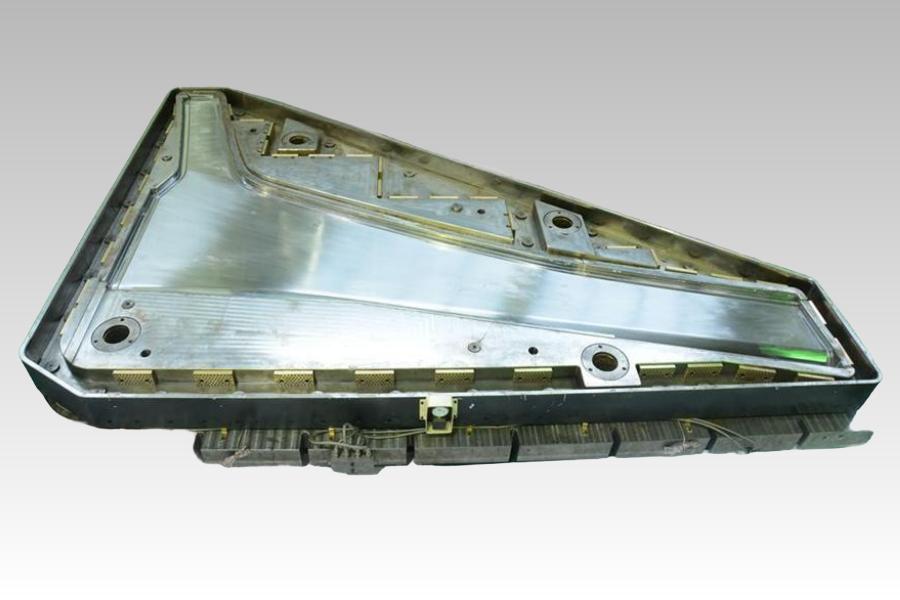
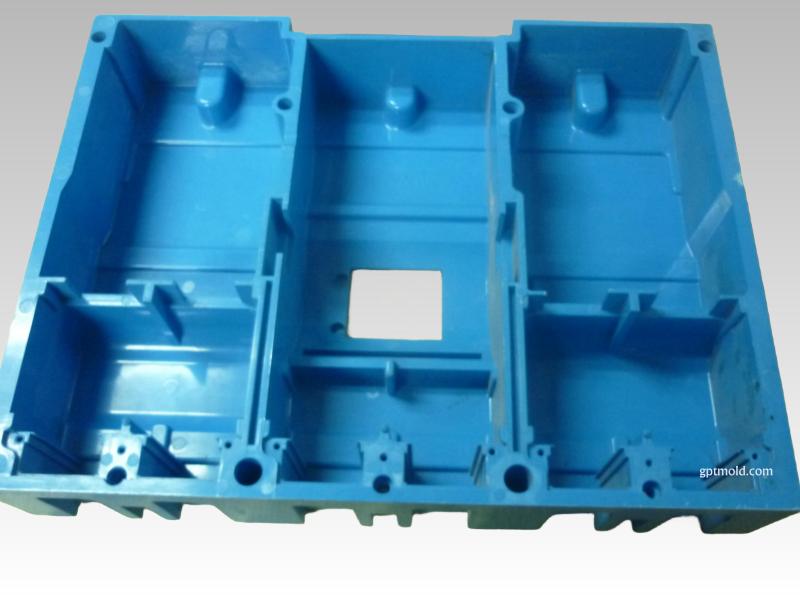
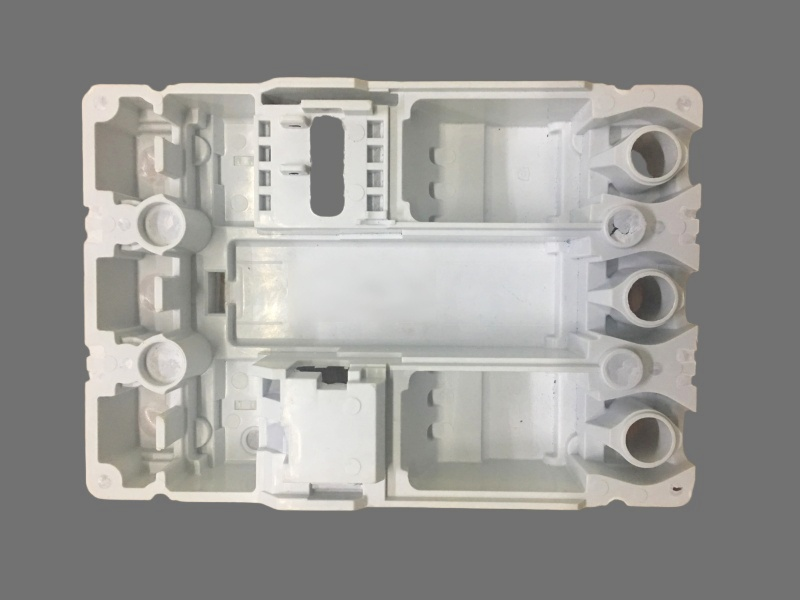
MOULDS FOR DEMANDING INDUSTRIAL APPLICATIONS
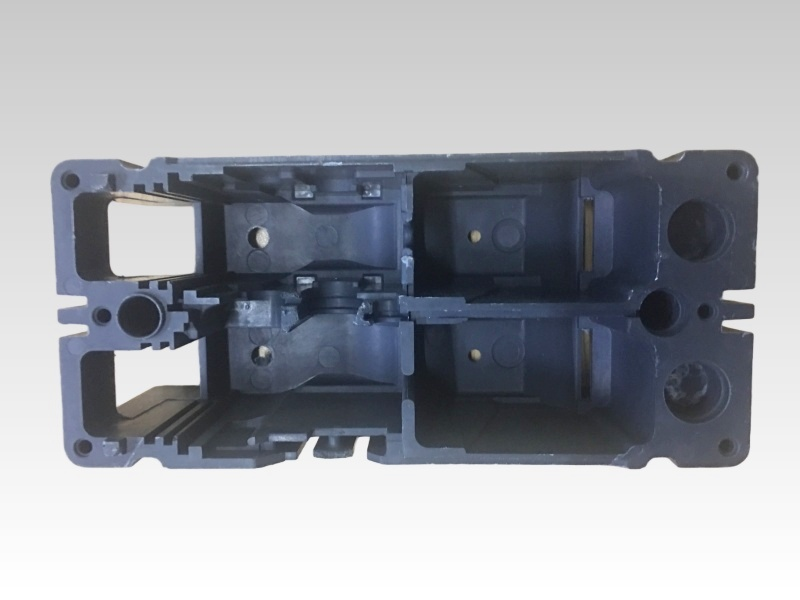
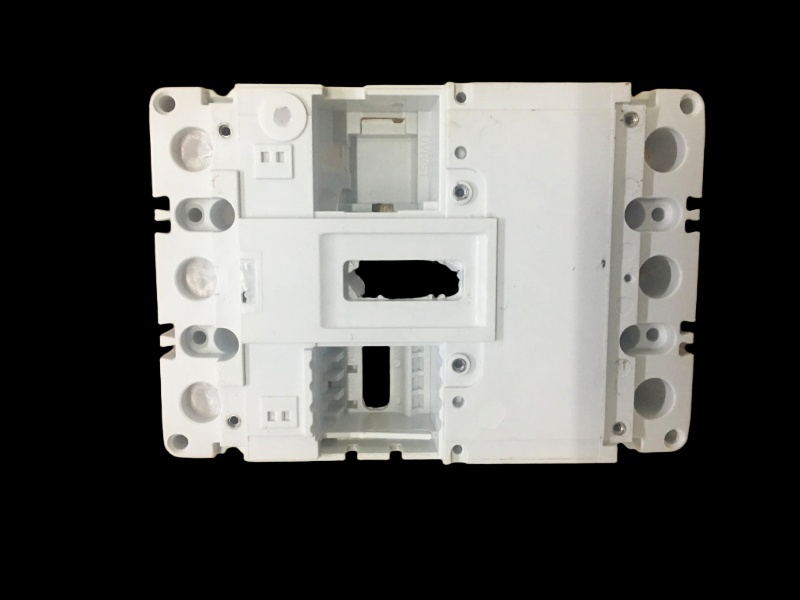
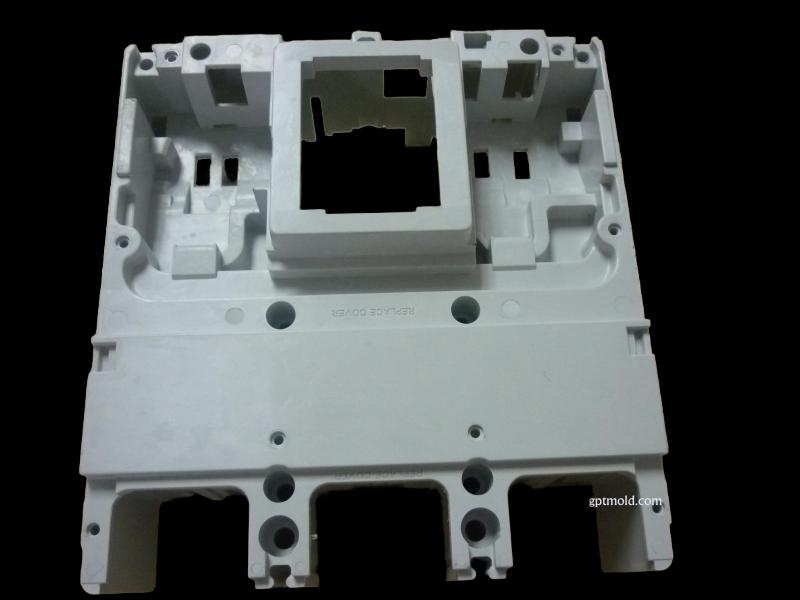
Composite components serve different purposes across automotive, electrical, railway, sanitary and construction products. An electrical housing may require careful attention to insert positioning and insulation-related geometry, while a bathroom component places greater emphasis on visible surfaces, assembly interfaces and dimensional consistency. Manhole covers bring another set of requirements, including cover-to-frame fit and the intended loading conditions. The mould design should reflect these differences, together with the selected compound and the way the finished part will be used, assembled and inspected.
Define the Requirements Before Manufacture
- Component and material: Share the latest drawing or 3D model, material grade, overall dimensions and critical tolerances. Identify inserts, fixing points, sealing surfaces and any areas where appearance or fit is especially important.
- Production and equipment: Specify the moulding press, heating method, planned production volume and target schedule. Confirm the required mould quantity and discuss handling, part release and maintenance access before the tooling configuration is finalised.
- Performance and verification: Define the relevant application requirements and the agreed sample checks. Where load, insulation, fire behaviour or other performance is important, identify the required test programme; final part performance must be verified for the intended use.
Custom Mould Design
Start with a tooling review based on your component drawing, material and press requirements. Discuss the design scope, FEA inputs and acceptance plan, then get a quotation for your project.
SMC & BMC Applications
Composite compression tooling for automotive, electrical, railway, sanitary and construction applications. Material selection, part geometry and production requirements guide the mould specification for each component.
Mould Trials & Inspection
Define trial materials, critical dimensions and surface-finish requirements before manufacture. Mould trials and quality inspection provide the basis for reviewing samples and agreeing any corrections before final acceptance.
Rapports de test électrique BMC: Lire l'échantillon et les conditions
Review BMC electrical test reports by checking specimen identity, test conditions, units and product requirements before accepting an insulation claim.
Libération du matériau SMC: Relier les enregistrements de stockage aux essais de moules
Plan SMC material release with grade-specific storage instructions, batch records, remaining shelf life and controlled trial evidence before production starts.
Flash et déflausage BMC: Spécifier le bord fini avant l'outillage
Define what the customer receives after deflashing, including edge condition, protected features and cleanliness, instead of relying on a general “remove flash” note.
SMC Mould Heating Review: From Heater Layout to Temperature Evidence
A controller setpoint is only one part of an SMC mould heating plan. Connect heater and sensor layouts with production-representative temperature evidence.
Position de l'insert BMC: Planification de l'acceptation des composants électriques
An electrical component moulded around metal inserts needs more than an acceptable outer shape. Insert location, exposed contact areas and surrounding compound geometry can affect assembly and the intended electrical design. These…
Essais de placement de charge SMC: Créer un enregistrement de moulage répétable
A successful SMC mould trial should leave behind a charge-loading method that another trained team can reproduce. “Place the material near the center” is rarely enough to define the arrangement, orientation and…