Composite tooling by application.
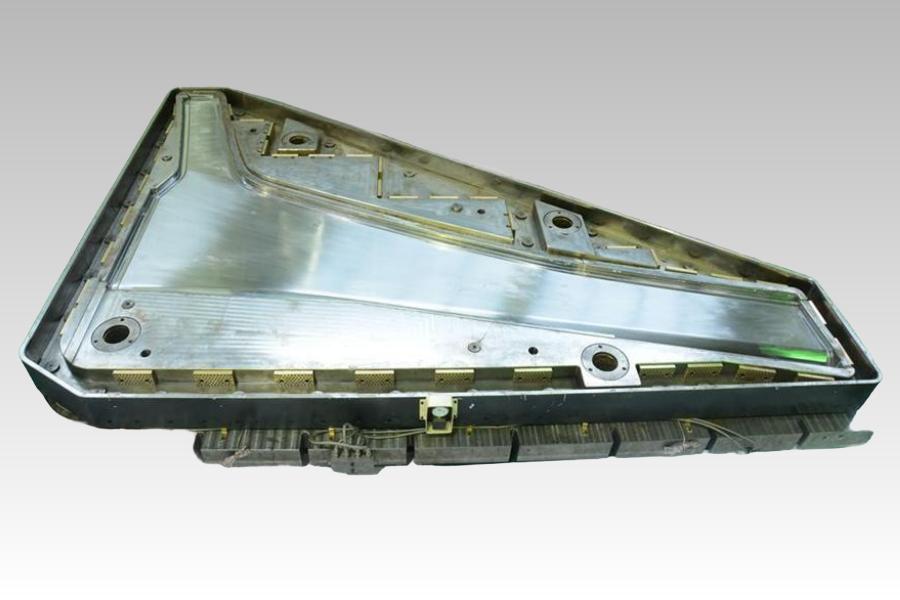
Explore the part requirements behind automotive, electrical, sanitary and construction tooling. Select an application for the technical priorities and relevant mould families.
From exterior surfaces to functional vehicle components.
A visible body panel and an underbody component ask different things of a composite mould. Start with the part’s job: its appearance, assembly interfaces and operating conditions. Then select the material and tooling route around those requirements.
Tooling shaped around insulation and assembly.
Electrical composite components bring together material performance and precise functional geometry. The tooling review should distinguish the enclosure around an assembly from the insulating parts inside it, then protect the features that matter to each.
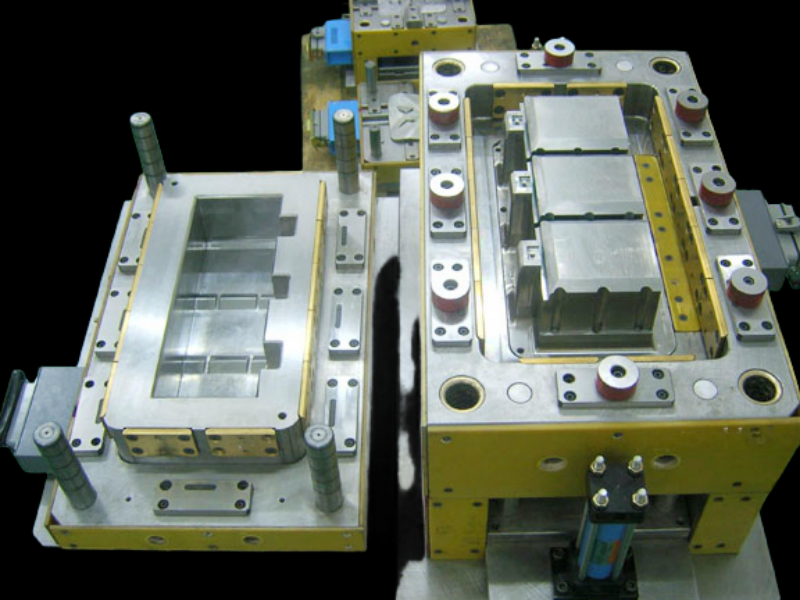
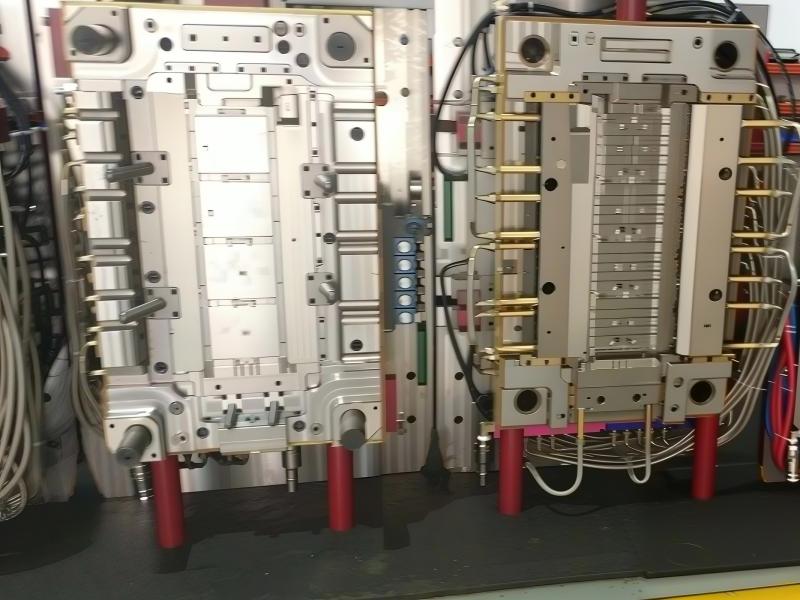
A considered surface. A practical installation.
Bathroom components are judged both by what people see and by how they fit. For shower trays, basins and related moulded parts, the mould design must bring appearance, drainage details and installation geometry into the same conversation.
Treat the cover and frame as one working system.
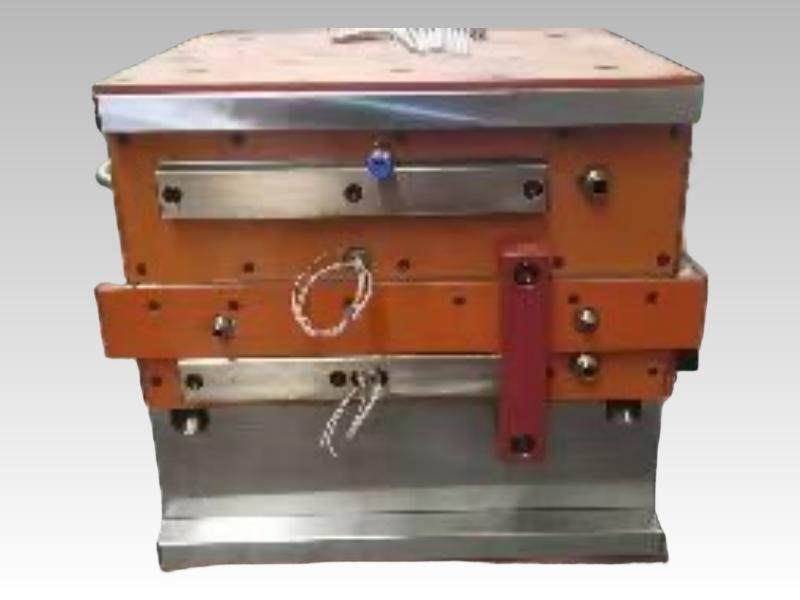
For composite access and manhole covers, the visible outline is only the starting point. The seating arrangement, opening, handling features and intended installation environment all shape the tooling brief and the finished-product acceptance plan.
Have a different composite application?
Send the component drawing and intended use to discuss the relevant tooling route.