Автомобильная промышленность

Дом » Automotive

Проекты / Автомобильная промышленность
Automotive applications

Automotive tooling.

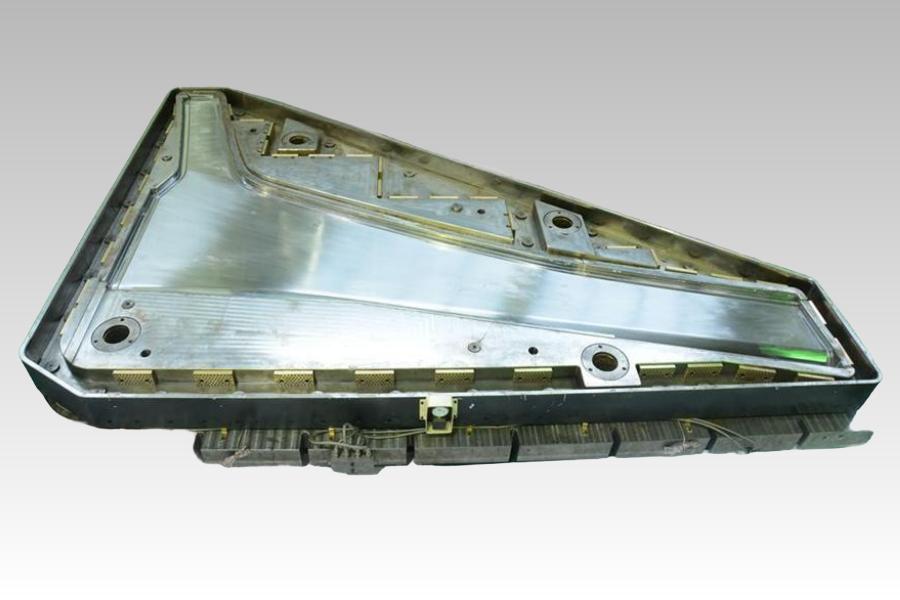
Broad, shallow steel mould cavity with a tapered outline.
Catalogue reference: SMC mould cavity.

From exterior surfaces to functional vehicle components.

A visible body panel and an underbody component ask different things of a composite mould. Start with the part’s job: its appearance, assembly interfaces and operating conditions. Then select the material and tooling route around those requirements.

Explore the application

Two different design priorities

Appearance outside. Function underneath.

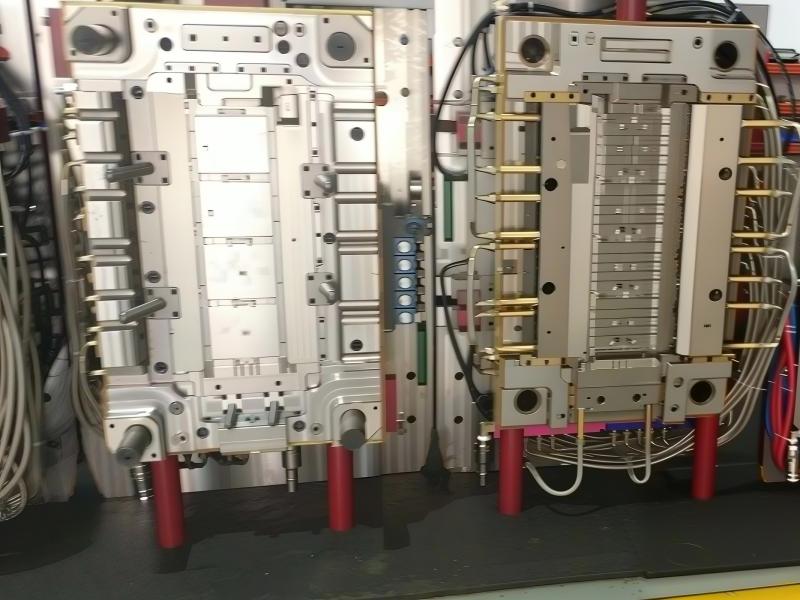
Large upright steel mould halves with connected hoses in a workshop.
Catalogue reference: compression tooling with external connections.

Exterior panels and covers

For SMC body panels and exterior covers, define the visible face, edge condition and intended finishing route. An approved appearance reference is more useful than a general request for a “high-quality surface”. Consider where parting lines, ejectors and fastening features can sit without compromising that face.

Underbody and functional components

Underbody shields, carriers and other functional components put the emphasis on mounting geometry, available space and the specified service loads. GMT or compression-moulded LFT may be relevant starting points, depending on the selected material and process. They are not interchangeable with thermoset SMC tooling.

Resolve the interfaces

Design the part and its neighbours together.

01

Fit before finish

Locate assembly datums, mating edges and fixing points on the drawing. A good-looking sample is not sufficient if it cannot be assembled in the intended fixture.

02

Reinforcement without unwanted marks

Review ribs, bosses and thickness transitions together with the visible surface. Added local stiffness must be balanced against material flow, release and the agreed appearance requirements.

03

Material route before thermal design

Confirm whether the part is thermoset SMC or a thermoplastic compression application before specifying the tool’s thermal system. Include the actual compound and production press in the review.

Sample approval

Inspect the part as it will be used.

Agree dimensional checks in the intended locating fixture, a defined appearance inspection and any required finishing or assembly trials. Separate mould-trial approval from vehicle-component qualification: the latter depends on the application’s own test programme.

Tooling photos are catalogue references; application requirements are reviewed for each project.

Developing a vehicle component?

Send the component drawing and identify its visible surfaces and assembly interfaces.

Discuss automotive tooling