Профессиональный SMC & Производитель пресс-форм для компрессионного формования BMC
Индивидуальные композитные FRP-формы для автомобильной, электротехнической, железнодорожной и санитарной промышленности
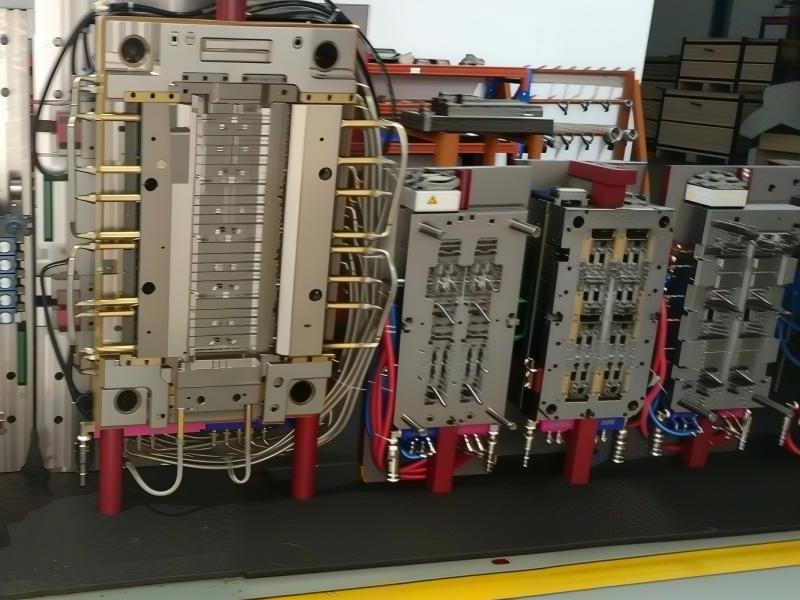
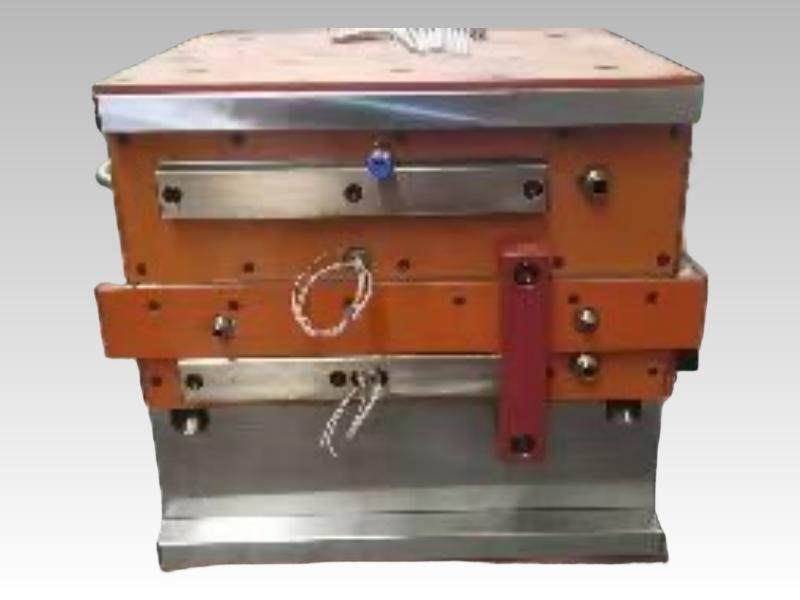
Форма SMC
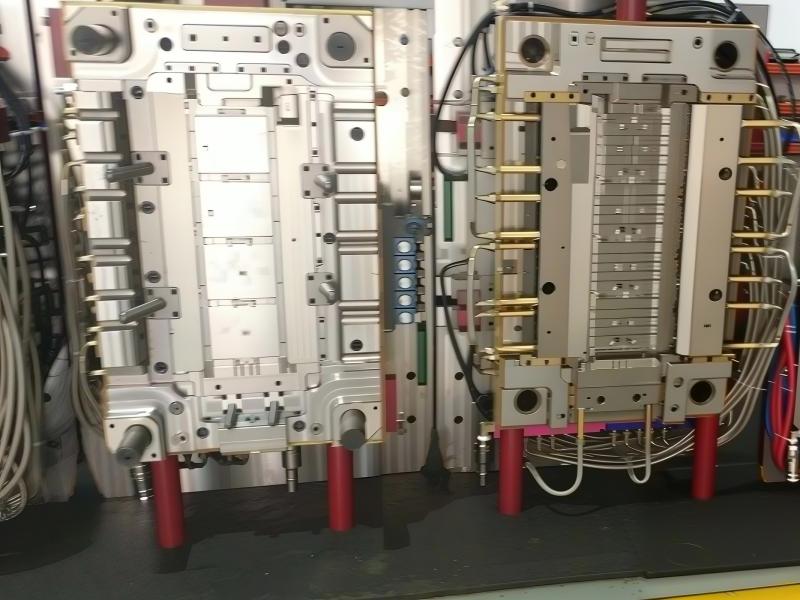
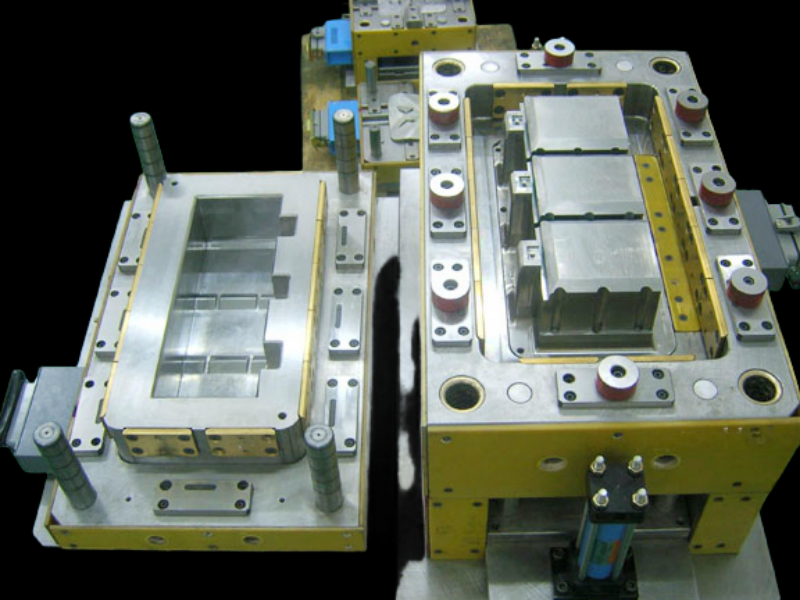
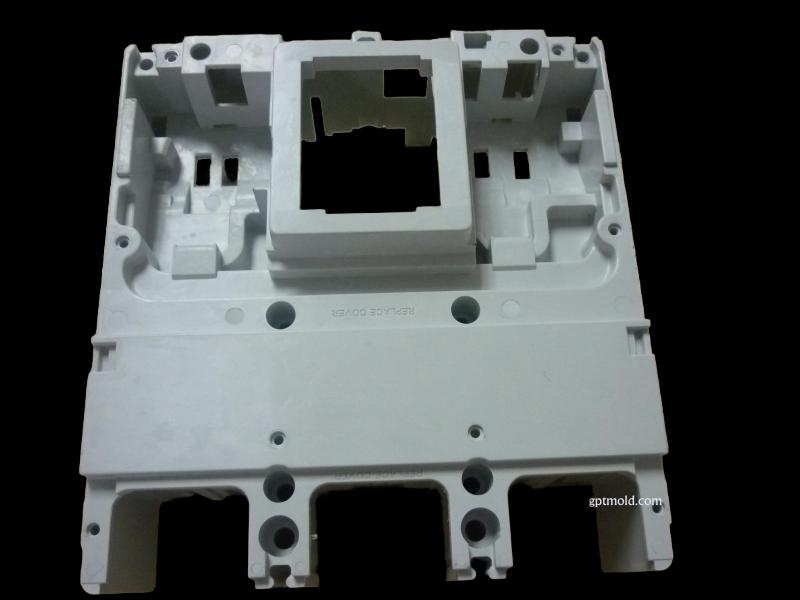
Индивидуальные инструменты для компрессионного формования компонентов из SMC-композита.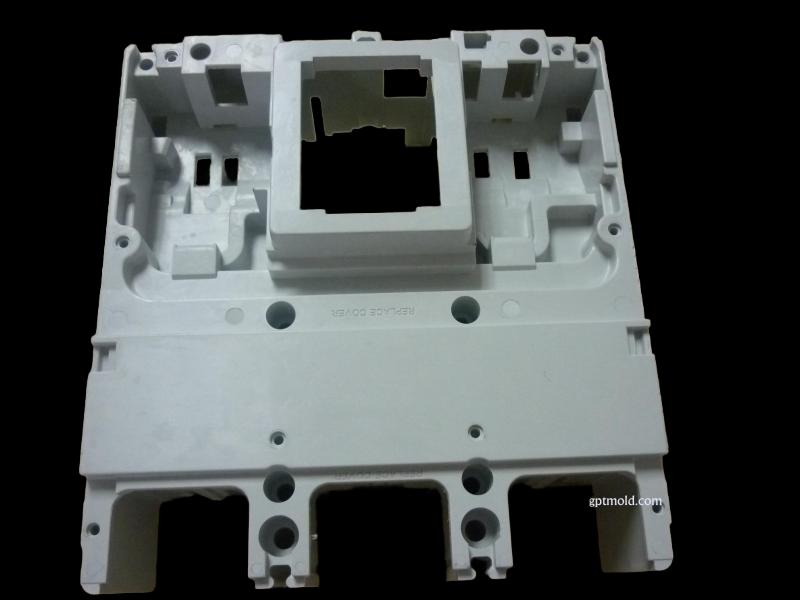
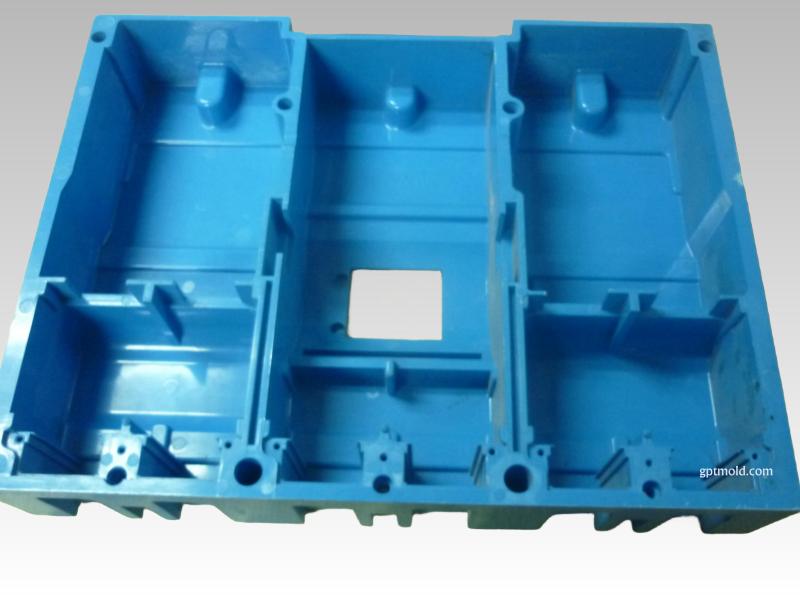
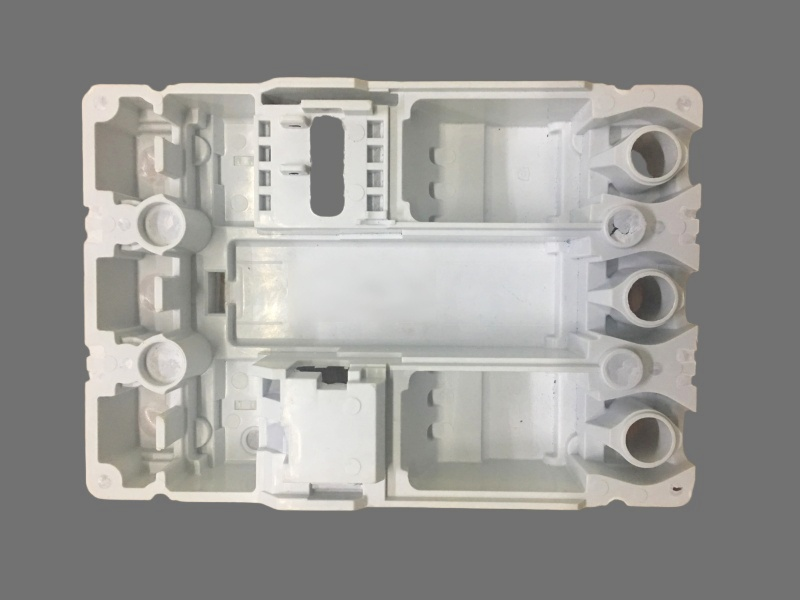
Форма BMC
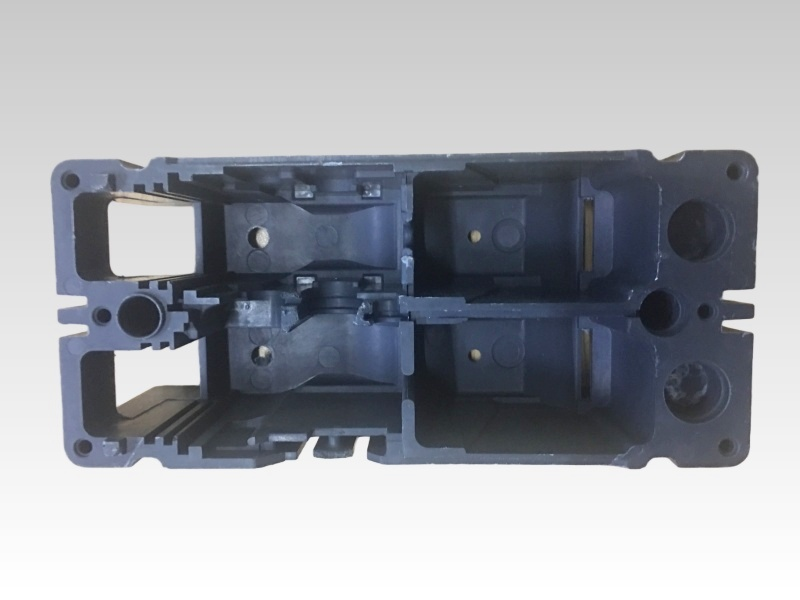
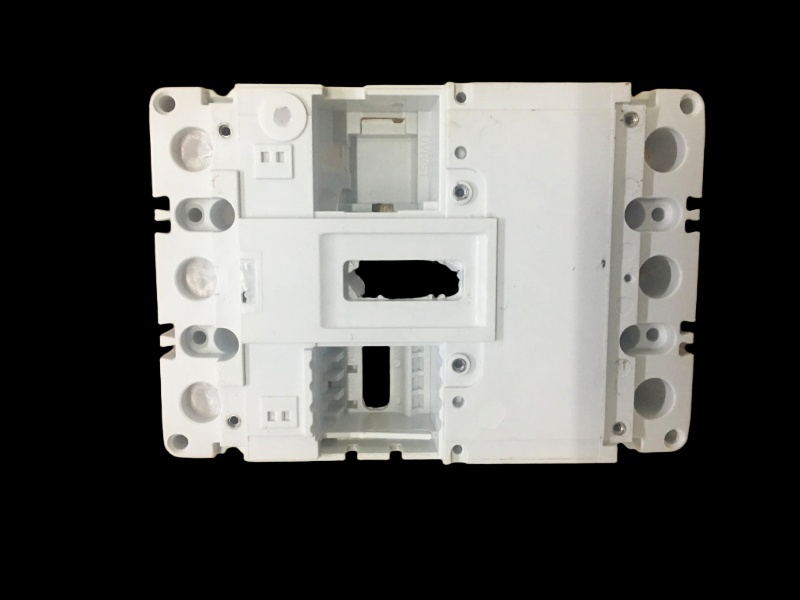
Инструменты BMC для деталей и корпусов электрической изоляции.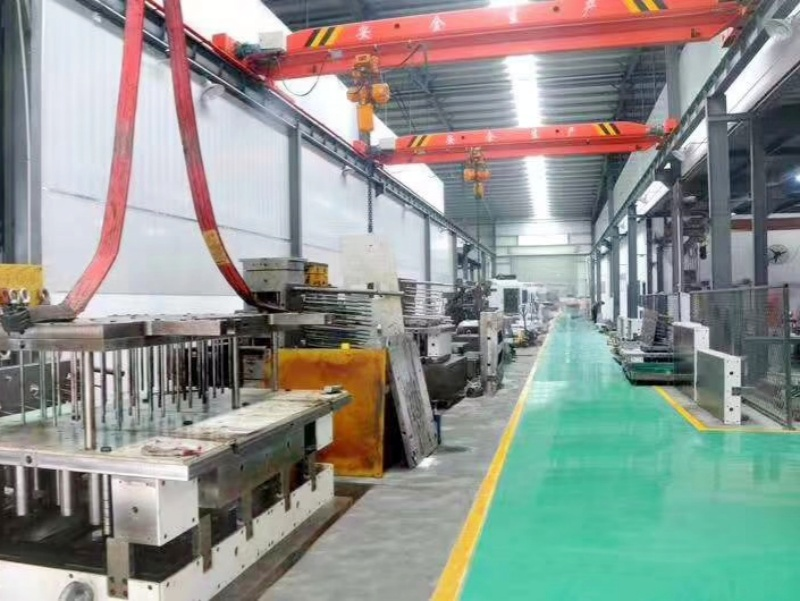
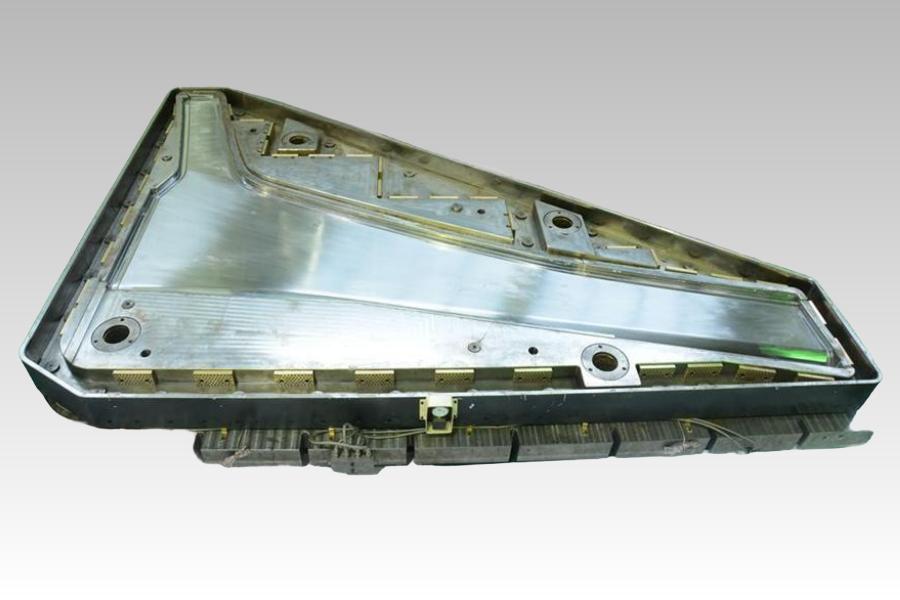
Форма GMT
Инструменты для компрессионного формования деталей из композитов GMT и LFT.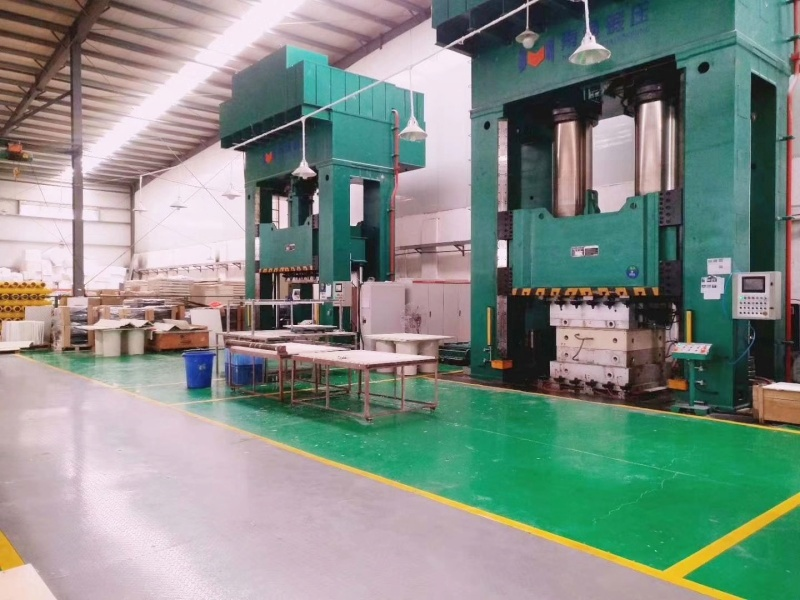
Форма крышки люка
Инструменты SMC для композитных крышек и соответствующих рам.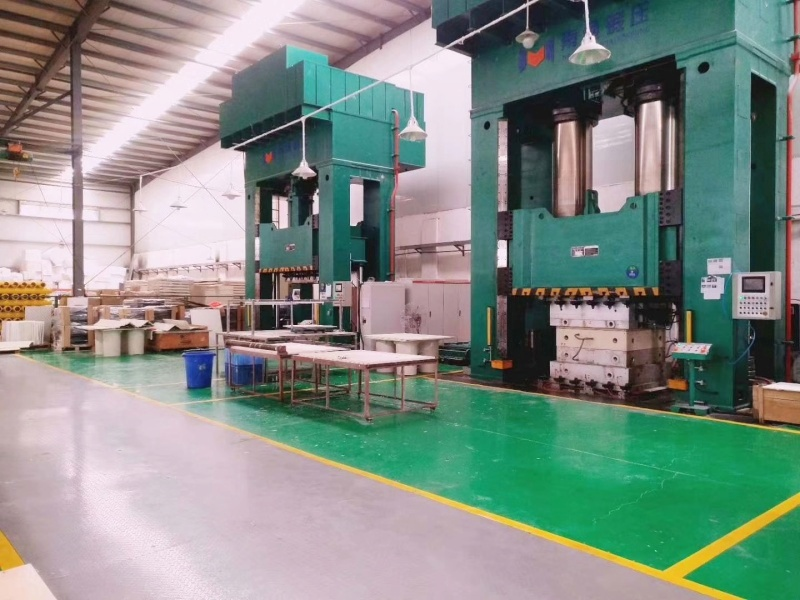
КОМПОЗИТНЫЕ ИНСТРУМЕНТЫ, СОЗДАННЫЕ ВОКРУГ ВАШЕЙ ДЕТАЛИ
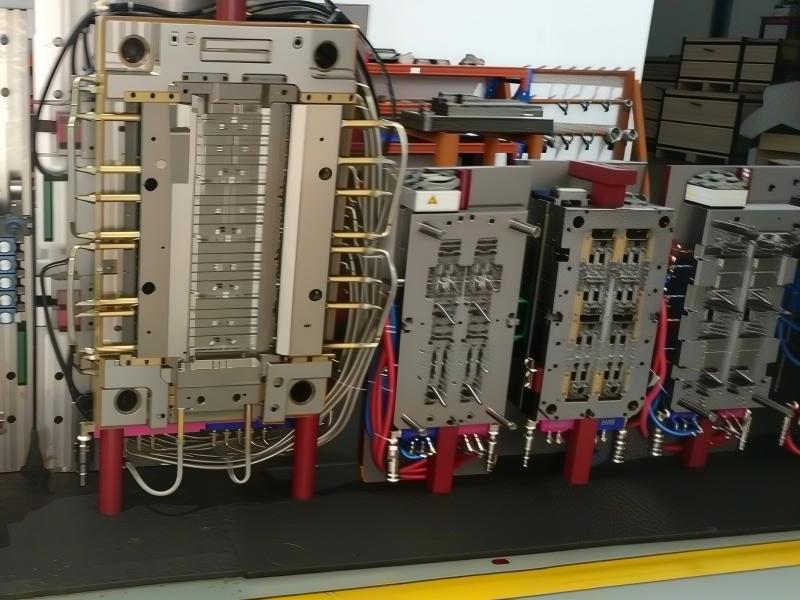
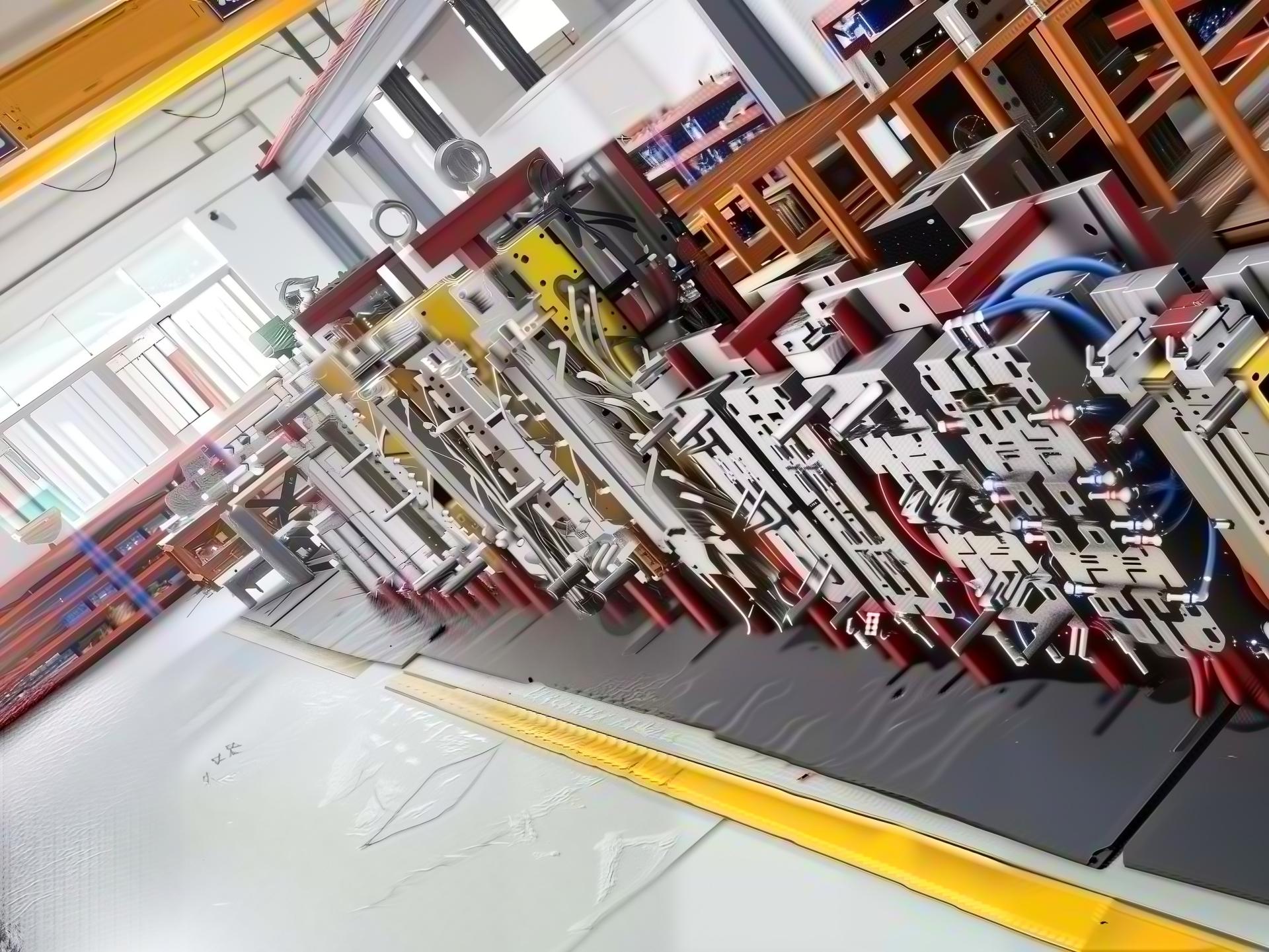
Мы производим индивидуальные пресс-формы для компрессионного формования SMC и BMC, исходя из компонента, который вам нужно изготовить. Отправной точкой является чертеж вашей детали, спецификация смеси и пресс для формования, а не стандартная конфигурация инструмента. Наш спектр услуг охватывает проектирование форм, анализ методом конечных элементов (FEA), испытания форм и контроль качества. Четкий обзор конструкции связывает геометрию детали с расположением нагревательных элементов, вентиляцией, планом извлечения и осмотра детали, так, чтобы спецификация инструмента отражала практические требования вашего производственного процесса.
От обзора конструкции к испытаниям формы
- Конструкция детали и инструмента: Проверьте сечения стенок, ребра, вставки, углы конусности и критические размеры. Обсудите линию разъема, поверхностную отделку и выбор инструментальной стали с учетом состава материала, ожидаемого износа, требований к обслуживанию и объема производства.
- Совместимость с процессом: Определите мощность пресса, размеры крепления и доступную систему нагрева. Спланируйте вентиляцию и расположение заряда для потока материала, учитывая доступ для извлечения из формы, очистки и планового обслуживания инструмента.
- Испытание и приемка: Согласуйте испытательный материал, количество образцов и метод измерения до производства. Review moulded samples against dimensional and appearance requirements, record any corrections, and use the agreed inspection criteria to guide final acceptance.
MOULDS FOR DEMANDING INDUSTRIAL APPLICATIONS
Composite components serve different purposes across automotive, электротехнической, railway, sanitary and construction products. An electrical housing may require careful attention to insert positioning and insulation-related geometry, while a bathroom component places greater emphasis on visible surfaces, assembly interfaces and dimensional consistency. Manhole covers bring another set of requirements, including cover-to-frame fit and the intended loading conditions. The mould design should reflect these differences, вместе с выбранным составом и способом использования готовой детали, собрано и проверено.
Определите требования до начала производства
- Компонент и материал: Поделитесь последним чертежом или 3D моделью, марка материала, габаритные размеры и критические допуски. Определите вставки, точки крепления, уплотнительные поверхности и любые области, где особенно важен внешний вид или посадка.
- Производство и оборудование: Укажите пресс для литья, метод нагрева, планируемый объем производства и целевой график. Подтвердите необходимое количество форм и обсудите обработку, выпуск детали и доступ для обслуживания до окончательной конфигурации оснастки.
- Характеристики и проверка: Определите соответствующие требования к применению и согласованные проверки образцов. Где важны нагрузка, изоляция, поведение при пожаре или другие характеристики производительности, определите необходимую программу испытаний; final part performance must be verified for the intended use.
Custom Mould Design
Start with a tooling review based on your component drawing, material and press requirements. Discuss the design scope, FEA inputs and acceptance plan, then get a quotation for your project.
SMC & BMC Applications
Composite compression tooling for automotive, электротехнической, railway, sanitary and construction applications. Material selection, part geometry and production requirements guide the mould specification for each component.
Mould Trials & Inspection
Define trial materials, critical dimensions and surface-finish requirements before manufacture. Mould trials and quality inspection provide the basis for reviewing samples and agreeing any corrections before final acceptance.
Электрические испытательные отчеты BMC: Прочтите образец и условия
Review BMC electrical test reports by checking specimen identity, test conditions, units and product requirements before accepting an insulation claim.
Освобождение материала SMC: Связать записи хранения с испытаниями форм
Plan SMC material release with grade-specific storage instructions, batch records, remaining shelf life and controlled trial evidence before production starts.
BMC Ламинирование и удаление облоя: Укажите готовую кромку перед инструментовкой
Define what the customer receives after deflashing, including edge condition, protected features and cleanliness, instead of relying on a general “remove flash” note.
Обзор нагрева формы SMC: От расположения нагревателя до доказательств температуры
A controller setpoint is only one part of an SMC mould heating plan. Connect heater and sensor layouts with production-representative temperature evidence.
Положение вставки BMC: Планирование приемки электрических компонентов
An electrical component moulded around metal inserts needs more than an acceptable outer shape. Insert location, exposed contact areas and surrounding compound geometry can affect assembly and the intended electrical design. These…
Испытания размещения заряда SMC: Создайте повторяющийся отчет по формованию
A successful SMC mould trial should leave behind a charge-loading method that another trained team can reproduce. “Place the material near the center” is rarely enough to define the arrangement, orientation and…